

Structured Cabling
Modern network infrastructures must support increasing bandwidth demands driven by complex business applications, IP telephony, video conferencing, streaming services, security systems and cloud-based platforms.
To ensure reliability and performance, companies require structured cabling systems designed according to international standards for quality, certification and scalability.
A properly designed structured cabling infrastructure guarantees reliable data transmission, simplifies network management and allows future expansion of the organization’s technology infrastructure.
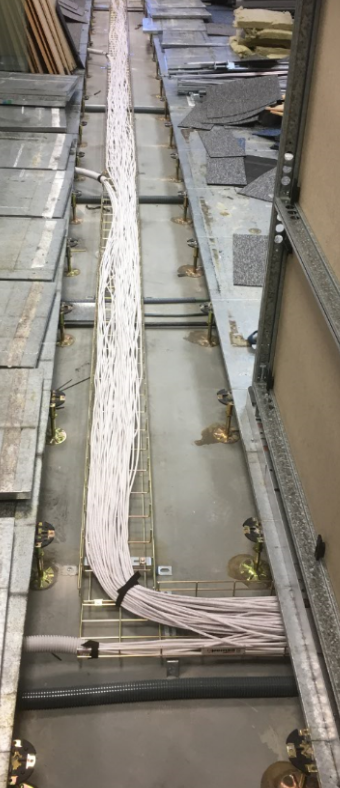
Gigabit Ethernet
Gigabit Ethernet networks allow data transmission speeds of up to 1 Gbps over copper cabling, providing a solid foundation for most modern enterprise infrastructures.
Using Category 6 or higher cabling ensures sufficient performance for demanding business applications.
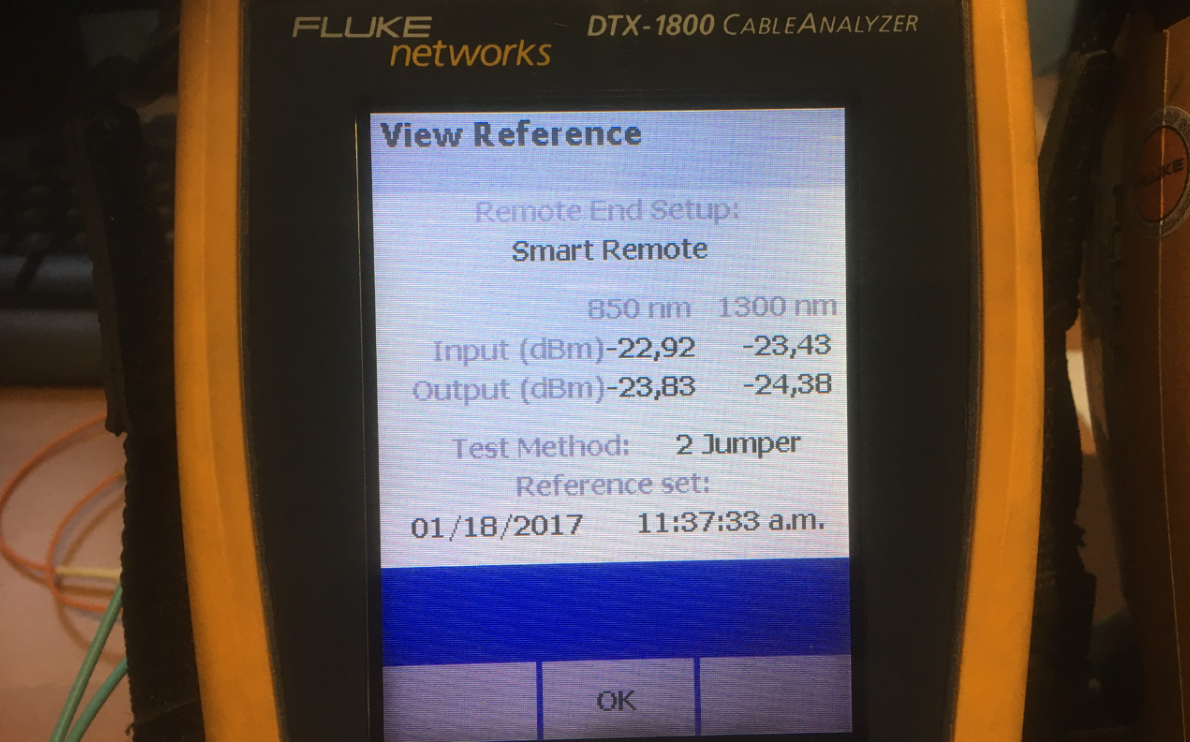
Cabling certification
Certification of each network outlet guarantees that the installation meets required quality standards. This process verifies electrical and transmission parameters to ensure reliable link performance.
During installation it is important to avoid practices that degrade signal quality, such as excessive cable tension, sharp bending or excessive pair untwisting during termination.
Proper certification provides assurance that the network infrastructure will operate efficiently and reliably.
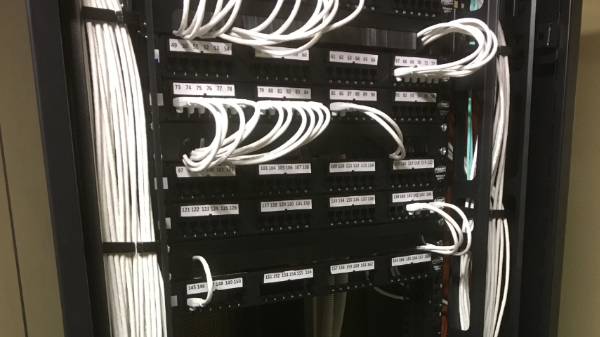
Network cabinets
Well-organized communication racks simplify network management and maintenance.
Using vertical and horizontal cable management systems helps maintain proper cable routing and prevents unnecessary stress on connectors.
A well-structured cabinet layout improves reliability and simplifies future network expansions.
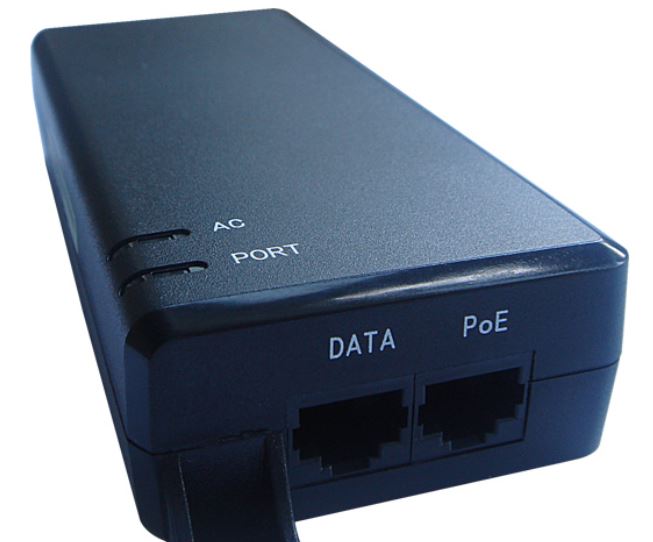
PoE (Power over Ethernet)
PoE technology allows devices to receive electrical power directly through the Ethernet cable, eliminating the need for separate power supplies.
This technology is increasingly used for IP phones, CCTV cameras, WiFi access points and access control devices.
To properly support PoE systems, Category 6 or higher cabling is recommended due to its improved electrical characteristics and power delivery capacity.
You can download the technical document here.
The IEEE 802.3ab standard allows data transmission speeds of up to 1000 Mbps using Category 6 cabling and utilizing all four twisted pairs.
This highlights the importance of ensuring that structured cabling infrastructures comply strictly with international technical standards and specifications.
Functional characteristics
• Flexible infrastructure design
• Standardized network architecture
• Reduced operational costs
• Efficient capacity distribution
Fiber Optics
Fiber optic cabling has become a fundamental component in modern corporate networks, whether used for internal equipment interconnection or external WAN links.
The reduction in cost of fiber components and optical electronics has accelerated the adoption of these technologies, enabling higher transmission speeds and increased reliability.
Furthermore, the standardization of Ethernet over fiber interfaces has simplified interoperability between networking equipment from different vendors.