

IoT (Internet of Things)
The Internet of Things (IoT) connects sensors, devices and industrial systems to digital platforms capable of collecting, analyzing and reacting to data in real time. Through these technologies companies can monitor processes, optimize resources and improve the safety and efficiency of their operations.
IoT solutions rely on distributed measurement devices that continuously send information to centralized systems where the data is stored, processed and visualized. This allows organizations to generate reports, detect anomalies, trigger alarms and automate responses to specific conditions.
At Teldrive we develop IoT solutions designed for industrial and business environments where continuous monitoring and data collection are critical. Examples of real-world applications include:
Temperature monitoring systems for meat drying facilities capable of generating historical reports and sending alerts when thresholds are exceeded.
Air quality monitoring systems measuring parameters such as CO₂, CO, temperature and airborne particles to automatically adjust ventilation systems.
Industrial process monitoring systems capable of recording electrical and operational parameters to ensure regulatory compliance and improve process traceability.
Temperature Monitoring System
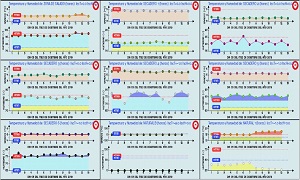
Small hardware devices installed across the facility collect temperature data and send it to a centralized platform for storage and analysis.
The management application allows the generation of reports, historical graphs and trend analysis. The system also continuously monitors real-time values and sends automatic alerts to production managers whenever thresholds are exceeded.
Air Quality Monitoring Systems
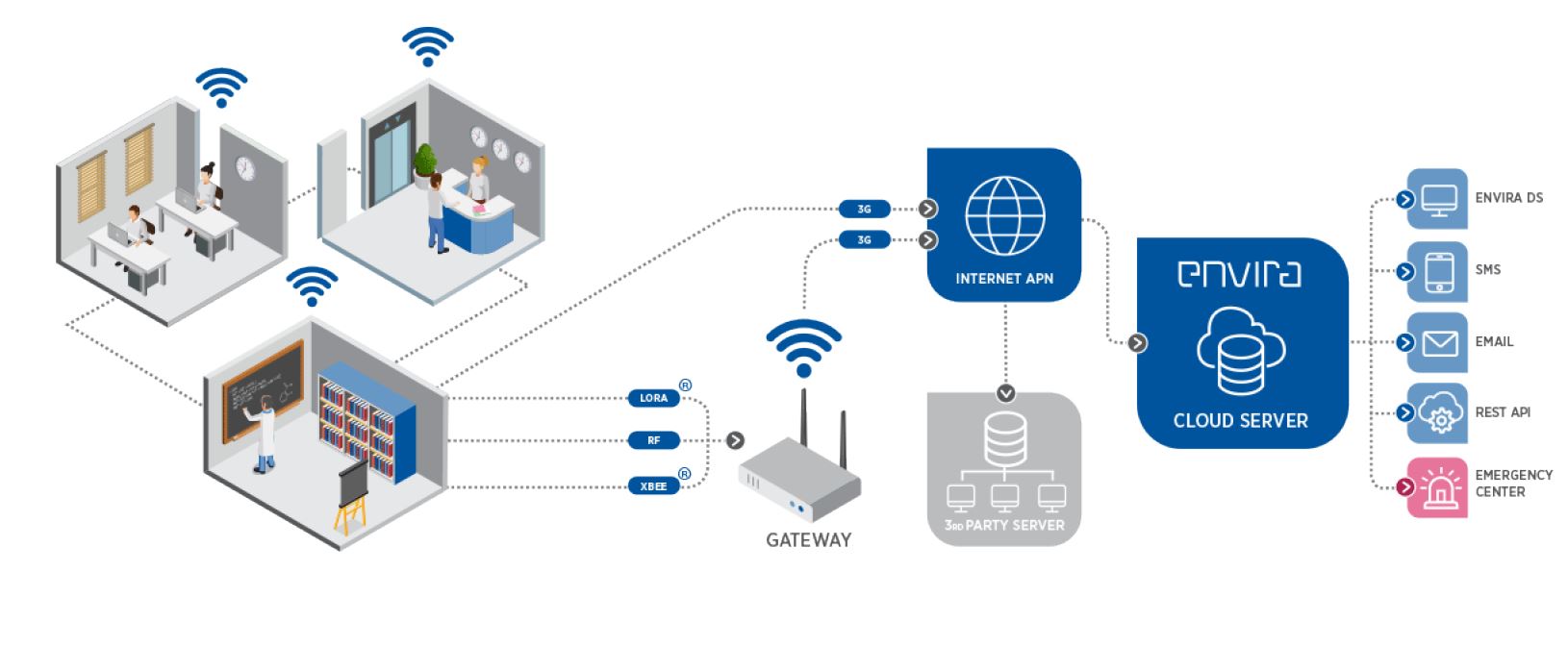
Air quality monitoring systems measure parameters such as CO₂, CO, temperature, humidity and airborne particles to evaluate environmental conditions within a space.
According to ASHRAE recommendations, indoor CO₂ levels should not exceed 700 ppm above outdoor concentrations. Higher levels indicate the need for increased ventilation.
Continuous monitoring provides several benefits:
• Ensures the health and comfort of employees and visitors.
• Reduces the risk of airborne disease transmission.
• Improves ventilation and air renewal strategies.
• Optimizes building energy efficiency.
Stunning Control System
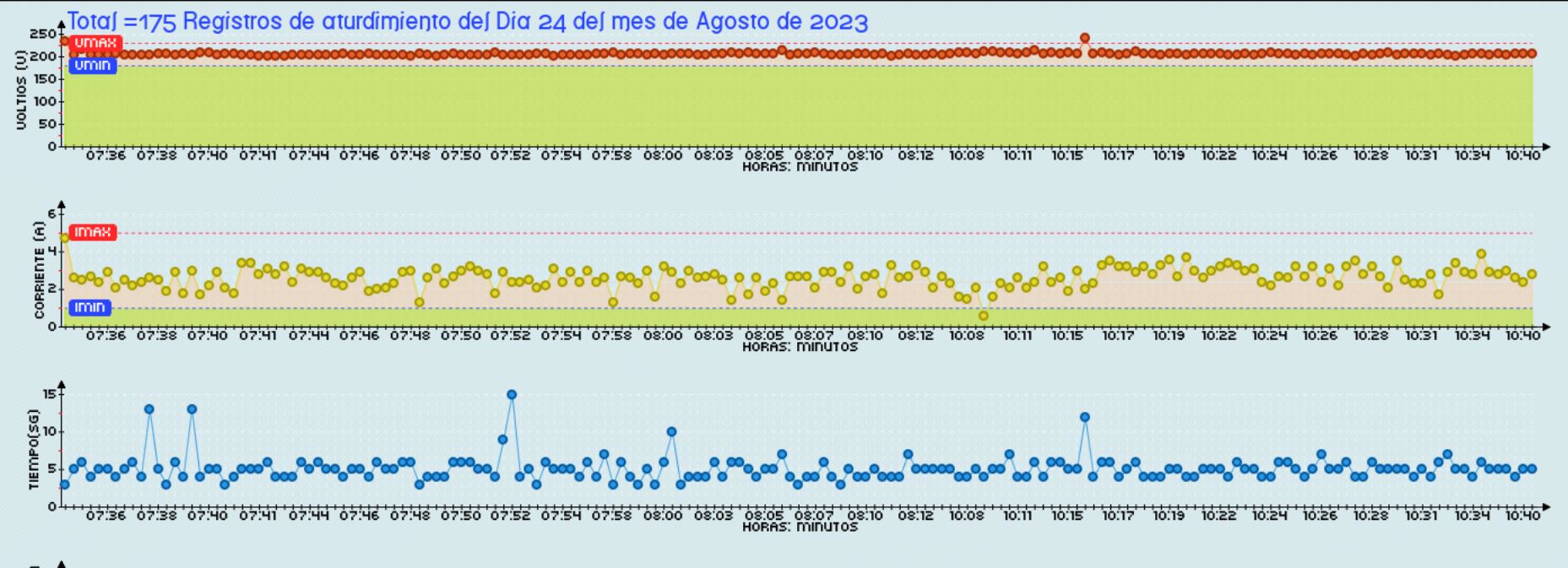
This custom industrial system records electrical parameters such as voltage, current and application time during the stunning phase prior to animal processing.
The system uses calibrated reference measurements to verify compliance with regulatory standards. The results are displayed graphically to facilitate analysis and documentation.
The system also includes acoustic and visual alarms that immediately report deviations from defined limits, ensuring regulatory compliance and full traceability of the process.